
Maybe the role that defined you ended. Maybe it never really started — the dream you set down, the gift you stopped using, the version of your life you talked yourself out of. Either way, a quiet question has been following you around: who am I, really — and why does so much of what I do just drain me?
Invite-only · by application · kept small on purpose
You don’t have to be “between jobs” to feel it. You can be busy, employed, even successful on paper — and still be quietly running on empty. Because when your days are spent on what doesn’t fulfill you, something leaks out: energy, focus, the sense that you’re becoming who you were made to be.
You know what you’re good at — what you’re for. You just stopped using it, and something in you knows it.
The thing you set down “for now” quietly became “for good.” Now you’re going through the motions of a life you didn’t exactly choose.
It shows up as a low hum you can’t shake — the gap between who you are and who you meant to be.
A you that’s running on empty doesn’t stay private. The strain lands on your marriage, your kids, your closest relationships.
That’s the leak. And you can’t out-work it, because effort isn’t the missing piece. Capacity is.
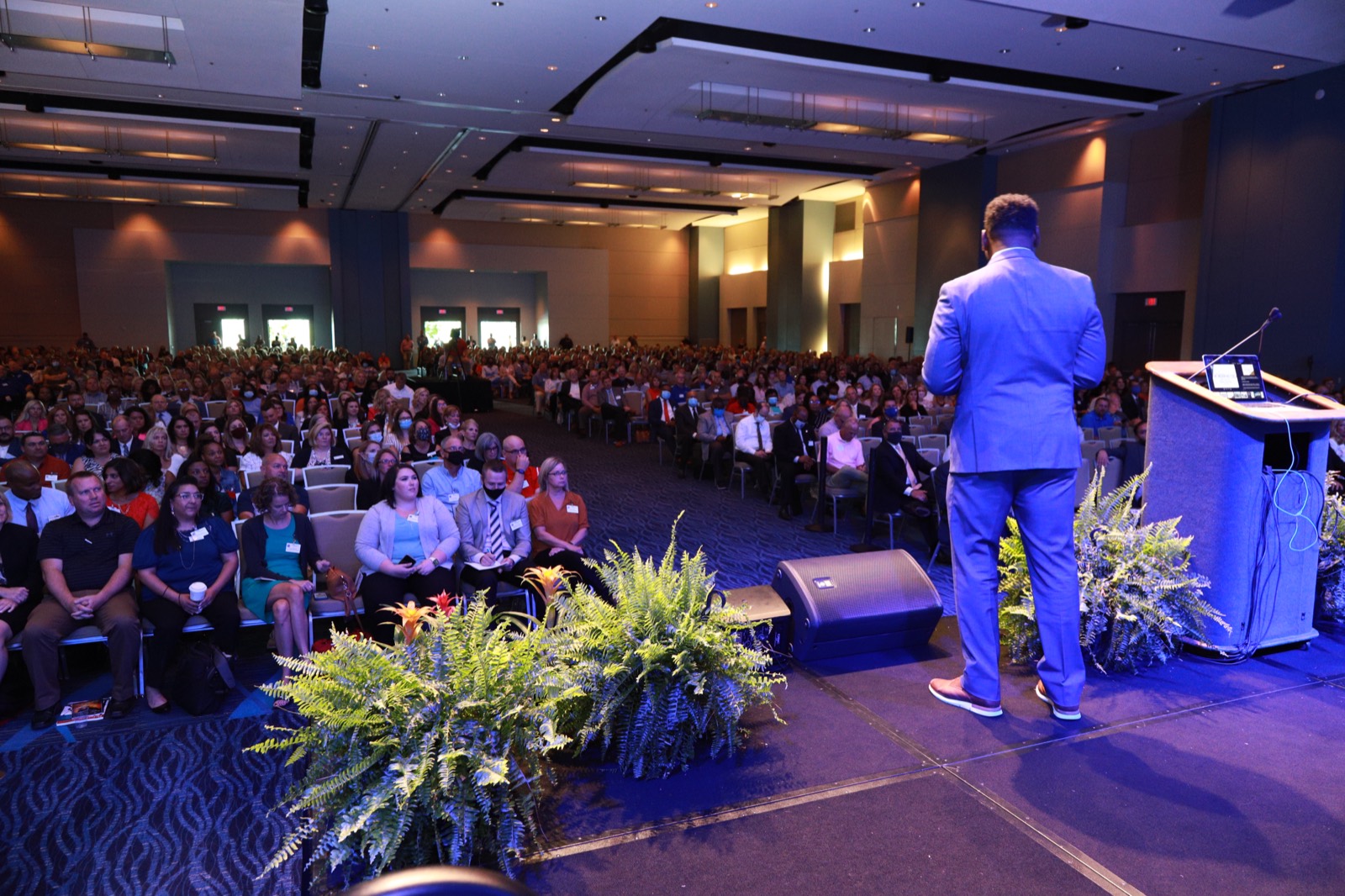
Undrafted. Four NFL seasons. An identity wired entirely to the next roster spot — until the game went quiet and I found there was nothing holding me up. But here’s what took me longer to admit: the leak didn’t start when football ended. It started years earlier, every time I poured myself into what looked right instead of what I was actually made for.
That’s why this isn’t just for athletes. The stage is the same for a founder after the exit, an executive who “made it” and feels nothing, a parent who set down a dream, anyone who can feel the gap between the life they’re living and the one they were built for. I spent the years since learning to close it — and turned it into a repeatable way through, the one I now use as an NFL Certified Transition Coach and wrote into Made for More.
Your first half happened to you. This one, you author — and it runs on capacity, not talent.
Drifting feels free. It isn’t — and the bill comes due in the things that matter most.
Another year of “someday.” Gifts unused don’t wait forever; the window narrows, and the ache of unlived potential is its own slow cost.
A stalled life routinely costs $50k–$250k in lost earning and lost time while you circle the same block.
The transition is exactly when marriages strain and the home feels the weight — because the person they love is grieving a self they can’t name.
Against that, $3,000 is a rounding error. The question was never whether you can afford to do this. It’s what it’s already costing you not to.
You’re not buying an assessment or more content. You’re building a self that holds — and walking out able to say who you are, and where you’re going, and mean it.
Talent got you the first half. Capacity writes the second.
The Second Half runs as a small group we call The Comeback — never a faceless course, never a crowd. The first-class feel isn’t fancy. It’s small.
One 60–90 minute group call, led by Freddie. 10–15 people, direct access, and peers living the same shift you are.
The curriculum, sequenced to the arc — so every Table conversation lands on work you’ve already done.
You’re not carrying this alone between sessions.
The change keeps proving itself long after your Comeback ends.
Show up to the Tables and do the Blueprint. If at the end you still can’t answer “who am I, and where am I going?” with confidence — you get a full refund.
I can carry that risk because I know what the work does. Your only job is to do it.
Yes. The athlete story is just the clearest version of it. This is for anyone whose identity got built on a role, or who set down a dream and can feel the gap. Everyone gets a second half.
That’s exactly who this is for. You don’t have to be in a visible transition. If you’re using less than what you were made for, and it’s draining you, that’s the leak — and it’s the whole reason this exists.
Many people do — especially parents of a 20-year-old whose sport or first chapter is ending. You can enroll them; the work is theirs to do.
Plan on the weekly 60–90 minute Table plus a few hours of self-paced work each week. It’s built to fit a real life, not become one.
Because fit protects the room. It’s offered by application so every seat at the Table belongs to someone genuinely at this crossroads.
You keep First Class for the year, keep every asset, and your quarterly re-reads keep showing the change. Many members step into the wider Pride from here.
The Second Half is invite-only. Apply below — applications are reviewed for fit, and if it’s not right for you right now, I’ll tell you and point you somewhere that is.